November 10, 2026
Home improvement projects require careful planning, skilled workmanship, and coordination to achieve lasting results. Whether updating a kitchen, finishing a basement, building a deck, or expanding a home, having the right team makes a difference. A general contractor brings these moving parts together, helping homeowners complete projects efficiently while maintaining high standards of quality.
Bringing Every Part of a Project Together
One of the most important responsibilities of a general contractor is coordinating the many tasks involved in a construction or remodeling project. Even relatively straightforward home improvements can involve multiple trades, materials, schedules, and decisions. Without proper organization, small delays or miscommunications can affect the entire project.
A general contractor serves as the central point of contact throughout the process. They coordinate subcontractors, organize material deliveries, establish timelines, and oversee the different phases of construction. This structure helps ensure that each task is completed in the appropriate order and that everyone involved understands their responsibilities.
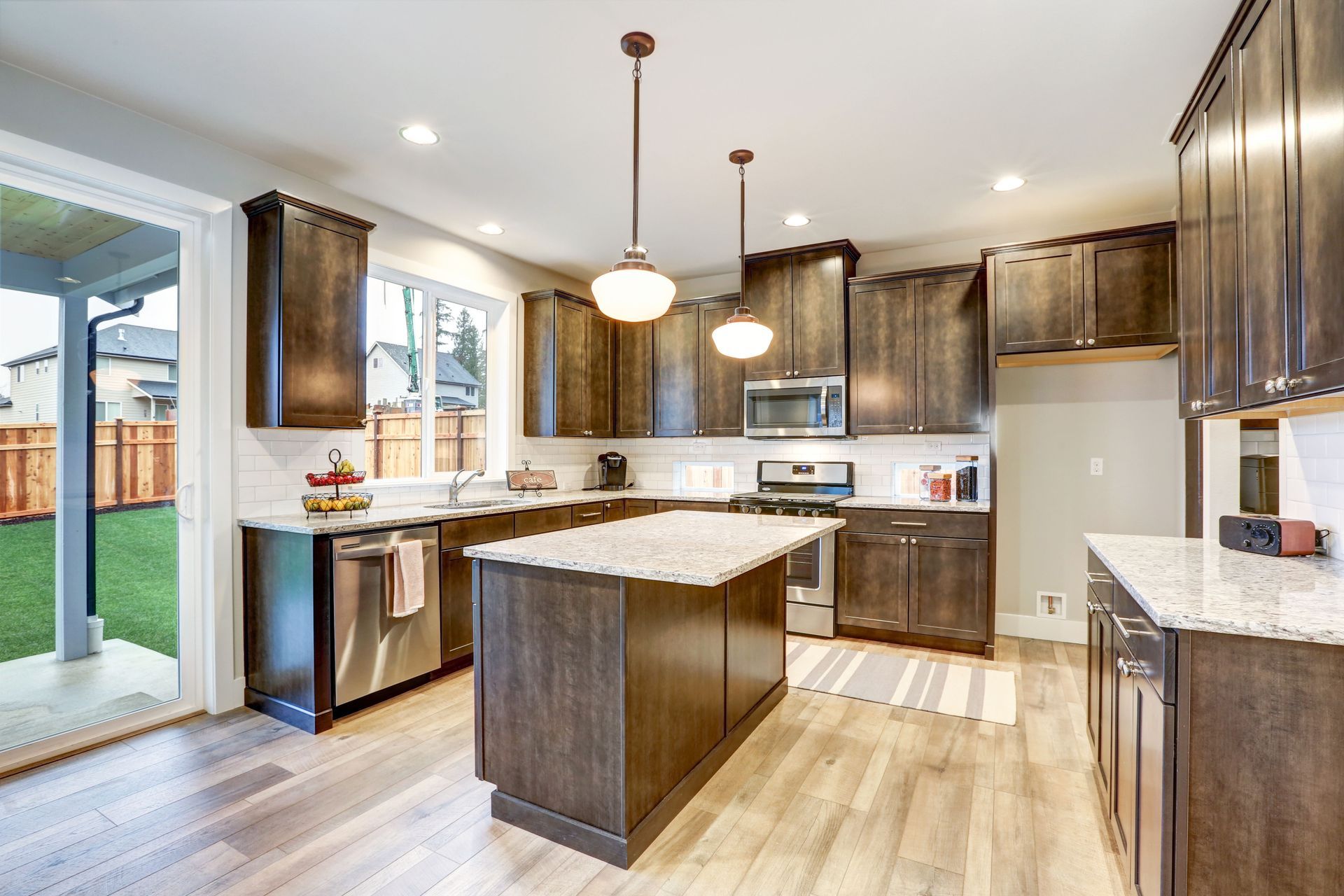
For example, a kitchen remodeling project may require plumbing adjustments, electrical work, cabinetry installation, flooring, and countertop placement. Each stage depends on the successful completion of previous work. A contractor coordinates these activities to minimize scheduling conflicts and prevent unnecessary interruptions.
Developing a Detailed Plan Before Construction Begins
Quality construction starts long before the first tool is used. Careful planning establishes realistic expectations, identifies potential challenges, and provides a clear direction for the project. A general contractor works with homeowners to understand their goals, discuss design preferences, and determine which improvements are practical for the property.
During the planning stage, important considerations include project dimensions, material selections, structural requirements, labor needs, and estimated completion dates. Addressing these details early helps reduce unexpected complications once construction begins. It also gives homeowners a better understanding of what their investment involves.
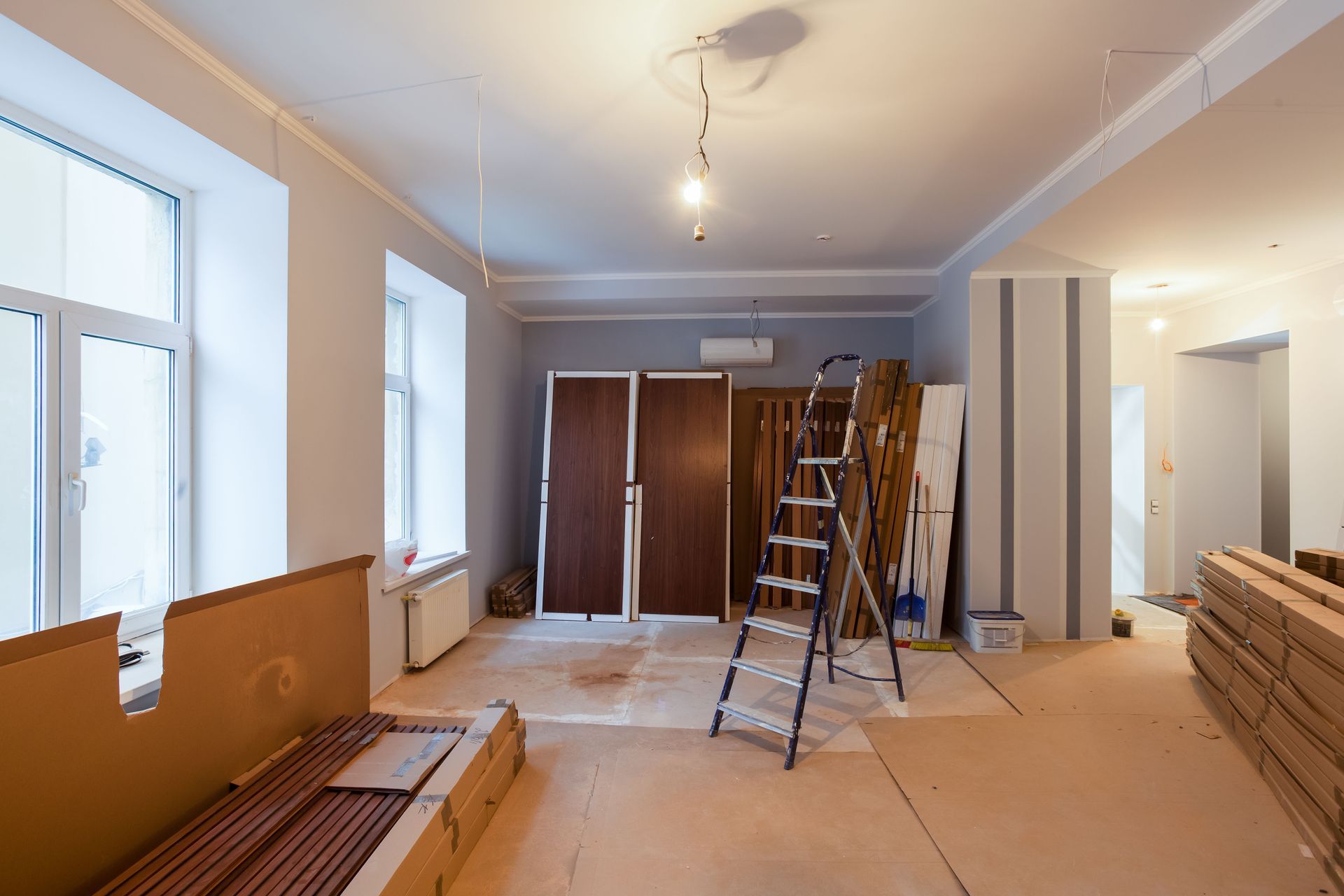
For larger projects, such as home additions or extensive basement renovations, planning becomes especially important. Contractors must consider how new spaces will connect with existing structures, whether additional electrical or plumbing work is necessary, and how construction will affect the rest of the home. A comprehensive plan helps keep these details organized from beginning to end.
Maintaining Consistent Workmanship Standards
Efficiency should never come at the expense of quality. A successful construction project must meet appropriate workmanship standards while providing the durability and functionality homeowners expect. General contractors help maintain these standards by overseeing work at different stages and addressing problems before they become more significant.
Regular inspections allow contractors to evaluate installation methods, material conditions, measurements, and overall progress. They can identify issues such as uneven flooring, improperly installed fixtures, or inconsistencies in finishing work. Correcting these concerns during construction is generally easier than addressing them after the project is complete.
Quality control also involves paying attention to details that may not be immediately visible. Proper framing, secure connections, adequate ventilation, and appropriate moisture protection all contribute to a home's long-term performance. These considerations are particularly important in areas such as basements and bathrooms, where moisture management can affect the condition of surrounding materials.
Coordinating Skilled Trades and Subcontractors
Most remodeling and construction projects require several specialized skills. Electricians, plumbers, carpenters, flooring installers, and other tradespeople may all contribute to the same job. Coordinating these professionals is one of the ways a general contractor improves both efficiency and consistency.
Rather than leaving homeowners to arrange separate appointments and manage competing schedules, a contractor organizes the necessary services. They determine when each trade should begin, communicate project requirements, and make sure completed work is ready for the next phase. This approach helps reduce downtime and keeps the project moving forward.
For a bathroom renovation, for instance, plumbing and electrical work generally need to be addressed before wall finishes, tile, and fixtures are installed. A contractor understands how these stages depend on one another and schedules the work accordingly. Proper coordination also helps prevent situations in which completed surfaces must be removed to accommodate unfinished installations.
Keeping Projects on Schedule
Construction timelines can be affected by material availability, weather conditions, labor schedules, and unexpected property conditions. Although not every delay can be prevented, an experienced general contractor can help minimize disruptions through preparation and consistent communication.
Establishing a realistic schedule gives everyone involved a shared understanding of project milestones. Contractors track progress, coordinate upcoming tasks, and adjust schedules when circumstances change. They can also identify potential bottlenecks and make arrangements to keep other parts of the project moving whenever possible.
Outdoor improvements, including deck installation, often require additional scheduling considerations because weather can influence construction conditions. A contractor can account for seasonal factors, material delivery timelines, and site preparation when developing a schedule. This attention to timing helps homeowners avoid unnecessary interruptions and supports a more organized construction experience.
Managing Materials and Project Costs
Material selection and purchasing decisions have a direct impact on construction quality, project expenses, and completion timelines. A general contractor helps homeowners evaluate available materials based on appearance, durability, functionality, and budget. This guidance can make it easier to select products that suit both the intended design and the demands of everyday use.
Proper material management is equally important. Contractors coordinate orders, confirm quantities, arrange deliveries, and account for the storage requirements of different products. These responsibilities help prevent shortages that could interrupt construction or excess purchases that create unnecessary expenses.
Budget management also involves keeping track of labor costs, material expenses, and changes that may arise during the project. When unexpected conditions require adjustments, a contractor can explain the available options and discuss how they may affect the overall investment. Clear communication about costs helps homeowners make informed decisions throughout construction.
Improving the Functionality of Existing Spaces
A successful remodeling project should do more than improve appearances. It should also make a home more comfortable, practical, and suited to the needs of its occupants. General contractors help homeowners identify opportunities to improve how existing spaces function while maintaining a cohesive design.
During a basement renovation, this might involve creating separate areas for entertainment, storage, exercise, or additional living space. Contractors consider ceiling heights, lighting, insulation, moisture protection, and layout requirements to help make the finished area comfortable and usable.
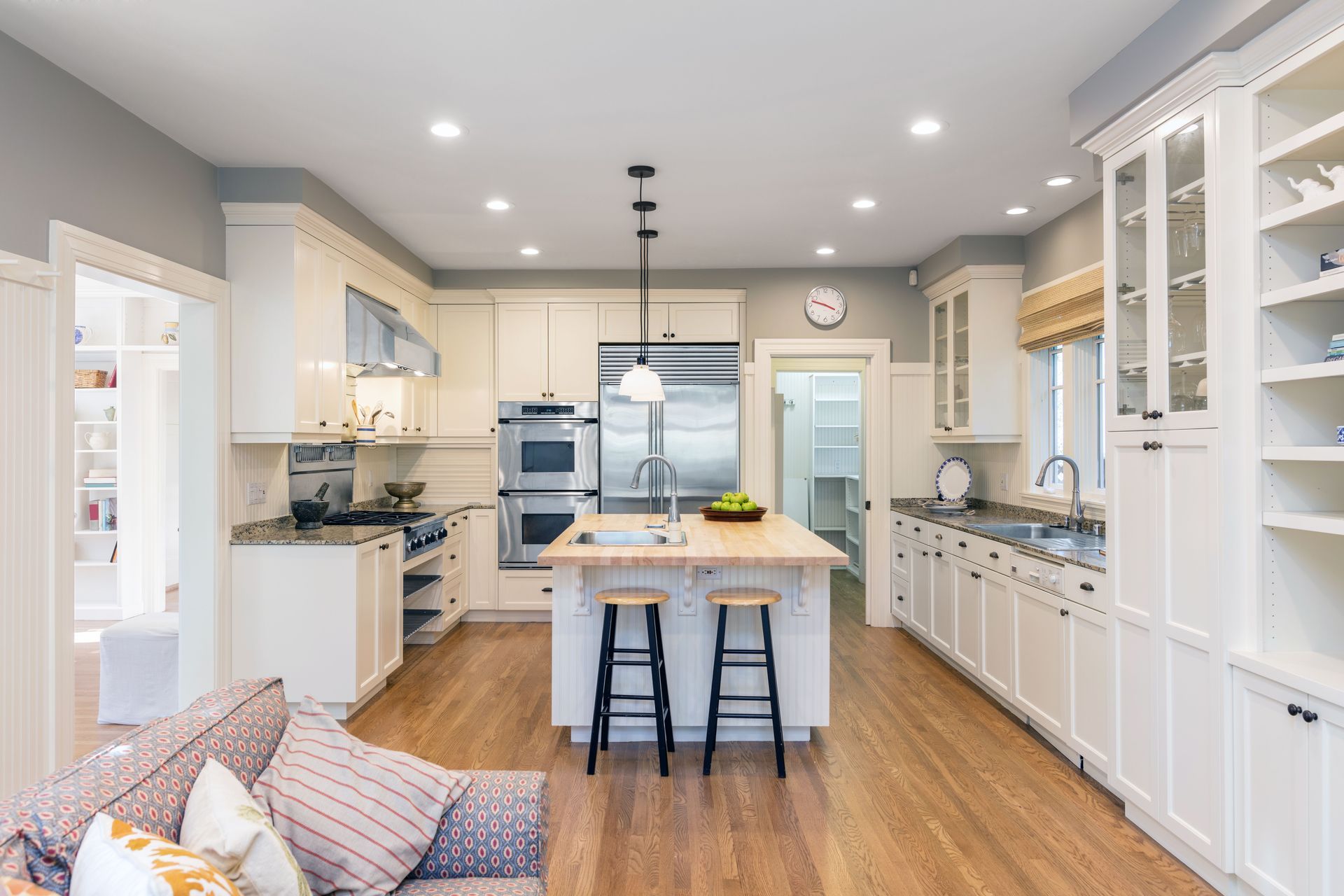
Kitchen remodeling may focus on improving workflow through better cabinet placement, additional counter space, updated lighting, or more convenient appliance locations. Bathroom renovations can similarly benefit from improved storage, accessible layouts, and updated fixtures. By considering both practical requirements and design goals, contractors help homeowners get more value from their available space.
Ensuring Home Additions Complement Existing Structures
Home additions require careful attention because new construction must work with the property's existing structure. Whether homeowners want an expanded living room, an additional bedroom, or a larger dining area, the new space should feel like a natural extension of the home.
A general contractor coordinates important considerations such as foundation work, framing, roofing, insulation, electrical systems, and interior finishes. They also help ensure that the project follows applicable building codes and permitting requirements. These steps are essential for supporting the safety, stability, and long-term functionality of the addition.
Exterior improvements can also contribute to a property's overall appeal and value. According to RubyHome, getting a new garage door provides a massive 268% return on investment, marking it as the most profitable exterior upgrade for 2025. Although a garage door replacement is different from a major remodeling project, it illustrates how thoughtful home improvements can contribute to a property's overall appeal and investment potential.
Successful home improvements depend on more than attractive designs and quality materials. Careful planning, skilled coordination, consistent oversight, and clear communication all contribute to an efficient construction experience. Our team at Conrad Homes serves Maryland, West Virginia, and the Pennsylvania Tri-State area with quality residential contracting services. Contact us today!